Sheet 06 · Material library

Shirt Fabrics & Construction

A sample-room study of the cloths behind premium formal shirts, and the hidden engineering — collars, cuffs, plackets, yokes, seams — that decides how a shirt wears.

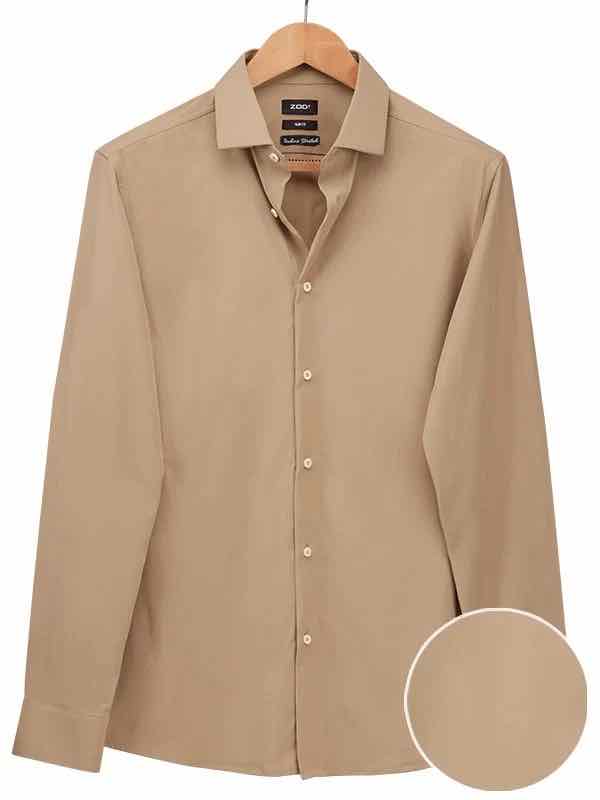
Camel shirt on a hanger with a circular close-up of its fabric weave
Pl. 01Shown: camel shirt with an inset magnified view of its weave
Sheet
06 / 12
Drawing
Fabrics & Construction
Scale
Weave ×10
Specimens
A — F
Details
C.01 — C.07
Studio
Options Mall · Juhu

Six cloths every shirt wardrobe is built from

Each specimen below pairs a weave diagram — how the threads actually cross — with a qualitative profile. The bars are editorial guidance drawn from common menswear practice, not laboratory measurements; yarn, finish and weight change every cloth.

The fibre behind most formal shirts

Cotton

Fig. APlain weave, one over · one under

Cotton is the fibre, not the weave — almost every cloth on this sheet can be spun from it. What separates a fine cotton shirt from an ordinary one is the length of the fibre (the staple) and how the yarn is spun. Long-staple cottons spin into finer, smoother, stronger yarns; two-ply yarns, where two threads are twisted together, add strength and a gentle lustre.

For premium formal shirts, cotton remains the benchmark: it breathes, takes dye beautifully, softens with wear and sits comfortably against the skin through a long Mumbai working day.

Breathability
High
Drape
Good
Durability
High
Crease resistance
Modest
Ease of care
Good
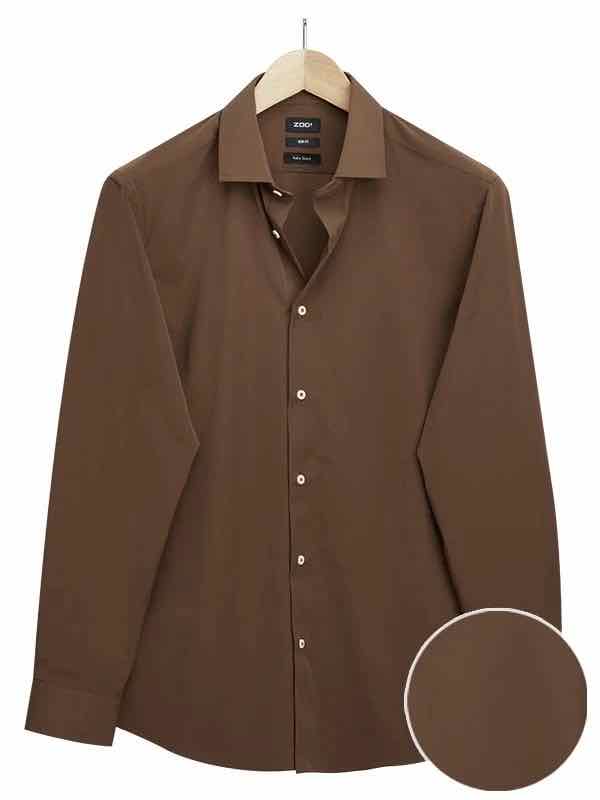
Brown shirt on a hanger with a circular close-up of its fabric
Pl. AShown: brown shirt with an inset close-up of its fabric surface

Fine plain weave · the business standard

Poplin

Fig. BFine plain weave, dense warp

Poplin is a plain weave — each thread passes over one and under the next — built with fine, densely set warp yarns. The result is smooth, flat, cool to the touch and crisp after pressing. It is the cloth most people picture when they think of white formal shirts and blue formal shirts.

Choose poplin for suits, ties and air-conditioned offices. Its one weakness is creasing: plan on a careful press.

Breathability
High
Drape
High
Durability
Good
Crease resistance
Modest
Ease of care
Good
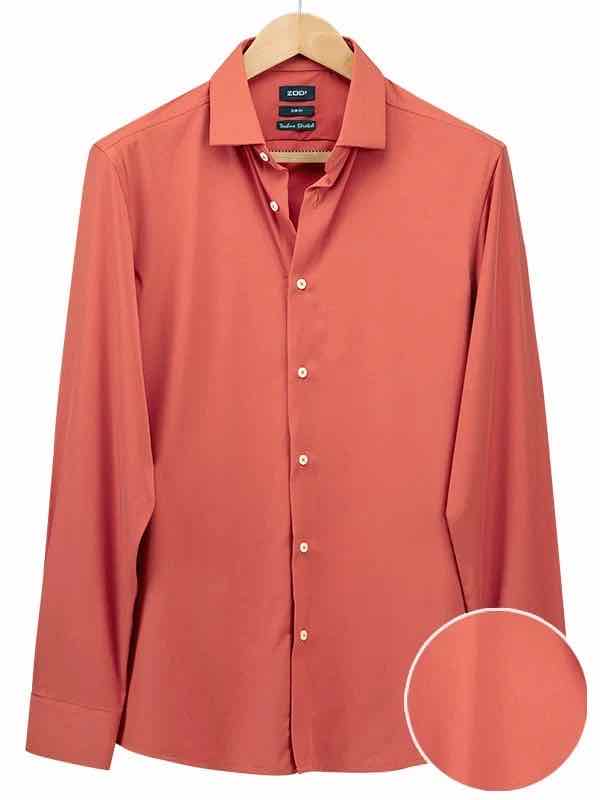
Coral shirt on a hanger with a circular close-up of its fabric surface
Pl. BShown: coral shirt with an inset close-up of its smooth surface

Basket weave · textured and hard-wearing

Oxford

Fig. CBasket weave, paired warps

Oxford uses a basket construction: paired warp yarns travel together over a heavier weft, giving a soft, pebbled texture you can see at arm’s length. It is thicker and more relaxed than poplin, extremely durable, and forgiving with an iron.

Classic oxford leans smart-casual — ideal with chinos or on a Friday. Pinpoint oxford, woven with finer yarns, sits closer to business dress.

Breathability
Good
Drape
Modest
Durability
Very high
Crease resistance
Good
Ease of care
Very high
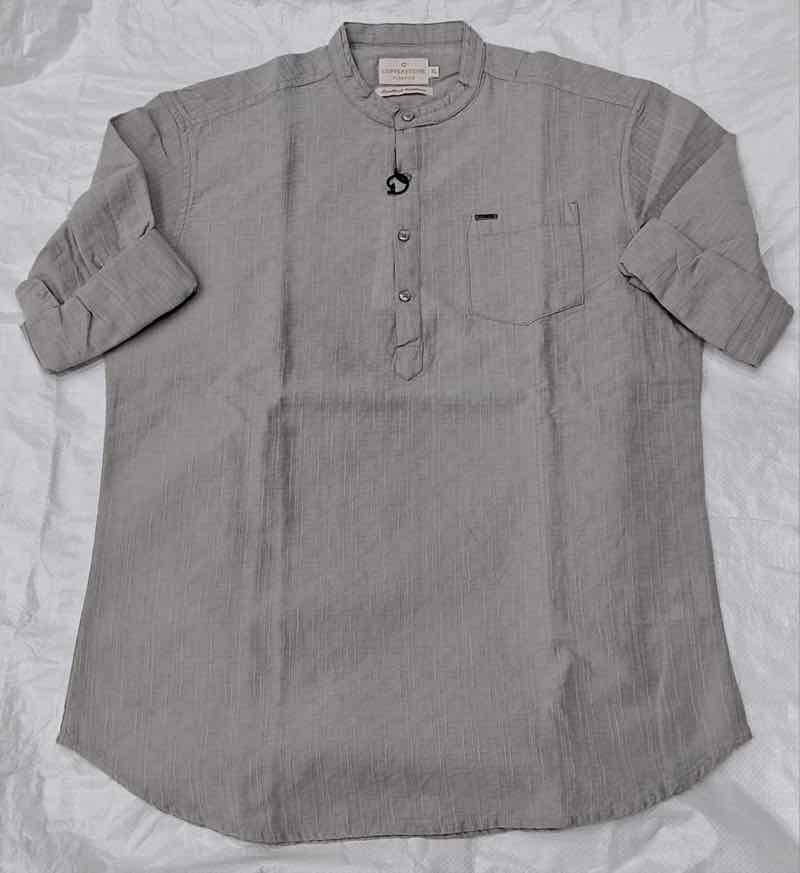
Pale grey shirt with a visible basket-like weave
Pl. CShown: pale grey shirt with a visible basket-like weave

Diagonal rib · fluid drape

Twill

Fig. D2/2 twill, stepping diagonal

In a twill, each weft thread passes over two or more warps, and the starting point steps along one thread per row. That offset draws a fine diagonal line across the cloth. Twill is softer and heavier in the hand than poplin, drapes fluidly, holds rich colour and resists creasing noticeably better.

Herringbone is a twill that reverses direction; denim is a sturdier one. For the office, a fine twill is the quiet upgrade for anyone tired of crumpled poplin by noon.

Breathability
Good
Drape
Very high
Durability
High
Crease resistance
High
Ease of care
High
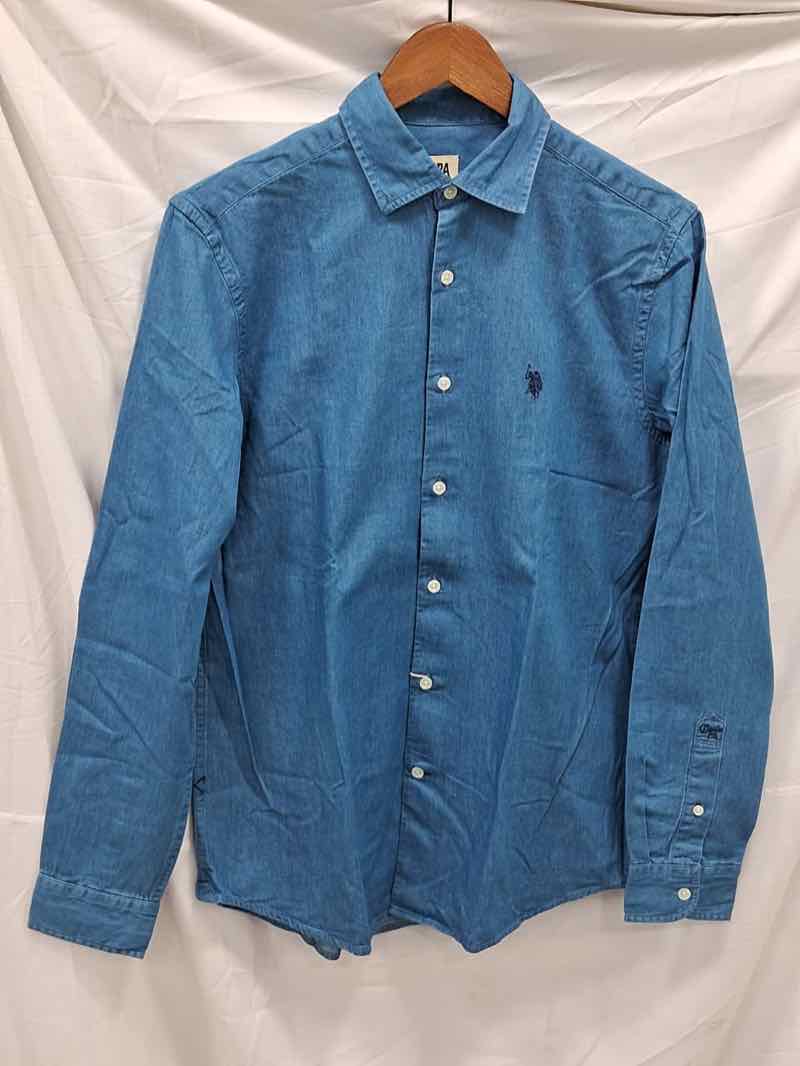
Bright blue denim-look shirt on a hanger
Pl. DShown: bright blue denim-look shirt — denim is a twill

Flax fibre · slub texture · high airflow

Linen

Fig. EPlain weave, irregular slub yarns

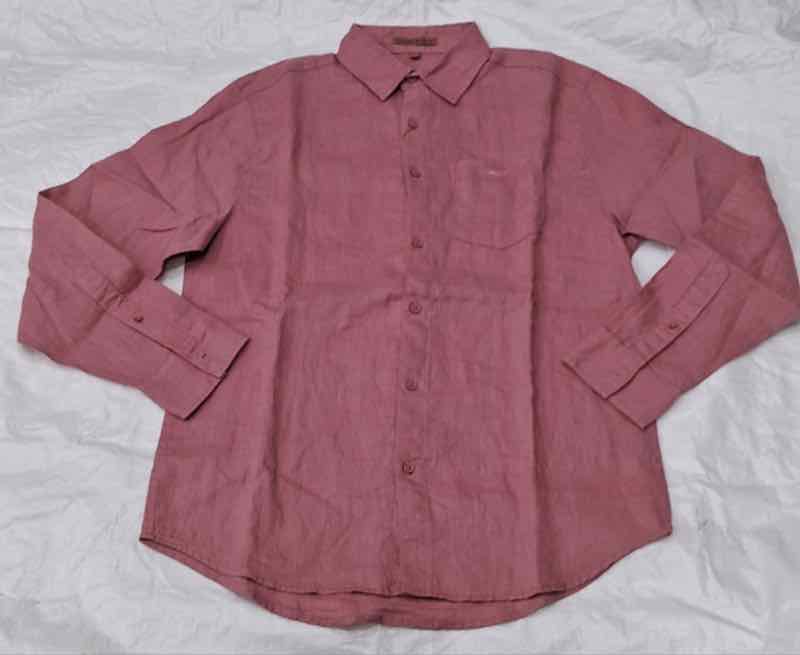
Linen is spun from flax, a long, irregular fibre. Those irregularities appear as slubs — thicker threads that give linen its characteristic texture. The fibre wicks moisture and dries quickly, which is why it is the instinctive choice for heat and humidity.

It creases readily; accept that as part of its character. Linen softens with every wash and suits relaxed formal settings more than a boardroom.

Breathability
Very high
Drape
Modest
Durability
High
Crease resistance
Low
Ease of care
Modest
Rose linen-look shirt with visible slub texture
Pl. EShown: rose linen-look shirt with visible slub texture

Engineered for ease

Cotton blends

Fig. FPlain weave, two fibres alternating

Blending cotton with another fibre trades a little of one quality for more of another. Cotton–polyester resists creasing and dries fast but breathes less; cotton–linen keeps linen’s airiness with fewer wrinkles; a touch of elastane adds stretch for a closer, slim fit formal shirt.

Blends make sense for travel, long commutes and men who prefer minimal ironing. Read the label: the proportion of cotton matters.

Breathability
Modest
Drape
Good
Durability
High
Crease resistance
Very high
Ease of care
Very high
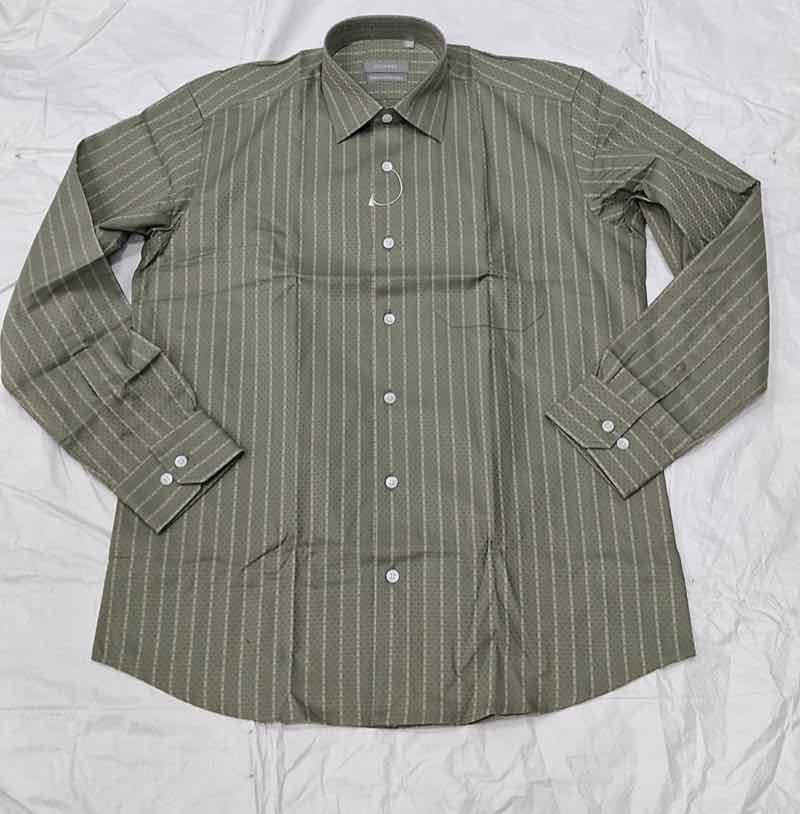
Olive striped shirt with a smooth, flat finish
Pl. FShown: olive striped shirt with a smooth, flat finish

How to judge a shirting by hand

Six qualities to check before you commit — in a store, between your fingers, against the light.

Fabric weave

The weave is the architecture of the cloth. Hold a shirt up to a window: a plain weave shows a tight, even grid; a twill shows a diagonal; oxford shows tiny paired squares. Denser weaves feel smoother and look more formal; looser, more open weaves breathe better and read more casual.

Ignore inflated “thread count” claims. Yarn quality and finishing matter more than any single number.

Texture

Texture can be woven into the cloth or printed onto it. A woven texture — a dobby dot, a fine herringbone — catches light and adds depth while staying quiet from a distance. A print sits on the surface and reads more decorative. For the office, woven texture is the subtler way to add interest without breaking a dress code; see shirt styles and designs for patterns in full.

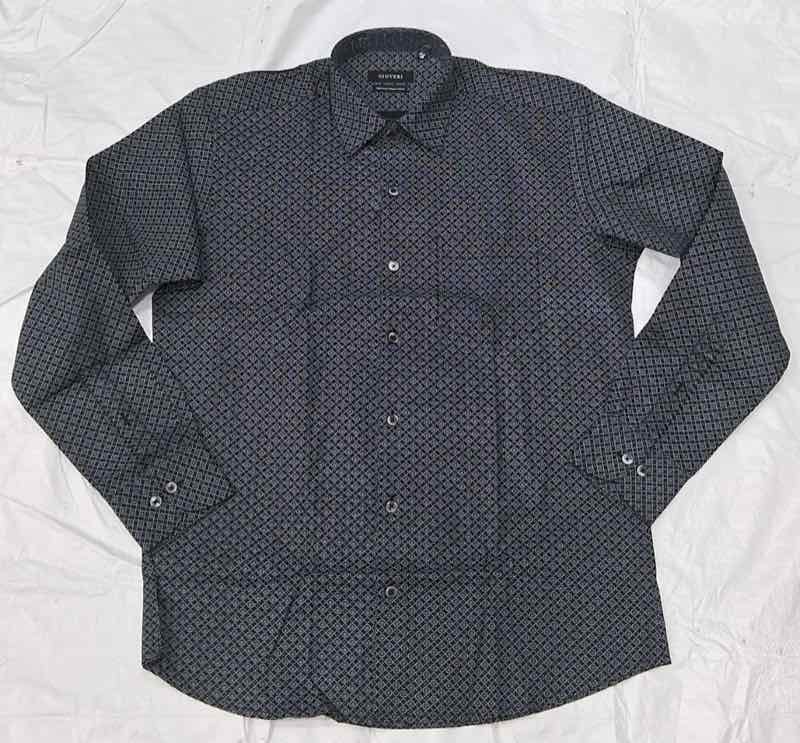
Charcoal cotton-look shirt with a tiny woven dot
Pl. 02Shown: charcoal cotton-look shirt with a tiny woven dot
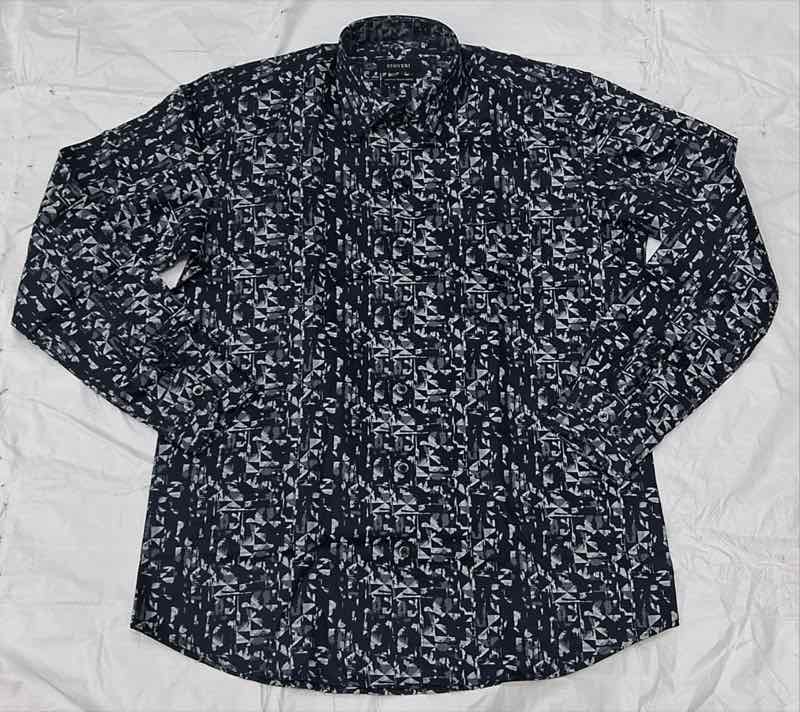
Navy shirt with a dense white micro-floral print
Pl. 03Shown: navy shirt with a dense white micro-floral print

2.3 · Breathability

The Mumbai clause

For much of the year, Mumbai is warm and humid, and the monsoon pushes moisture higher still. In that climate breathability is not a luxury; it decides whether a shirt still looks composed at four o’clock.

Favour natural fibres and lighter weights: fine cotton poplin, cotton–linen, or linen itself for relaxed formal days. Open weaves let air move; heavy oxfords and high-polyester blends trap warmth. Lighter colours reflect heat, and a slightly easier fit — see fits and tailoring — keeps cloth away from the skin.

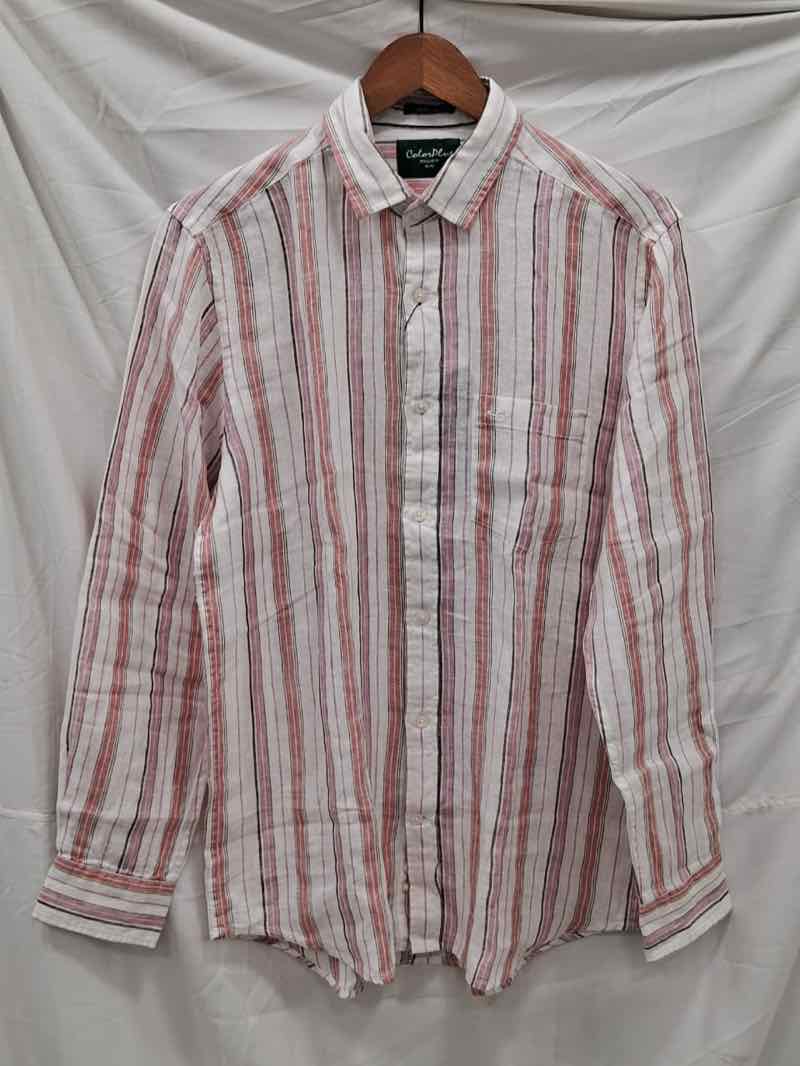
  • Red and white striped linen-look shirt with a chest pocket on a hanger
    Pl. 04Shown: red and white striped linen-look shirt with a chest pocket
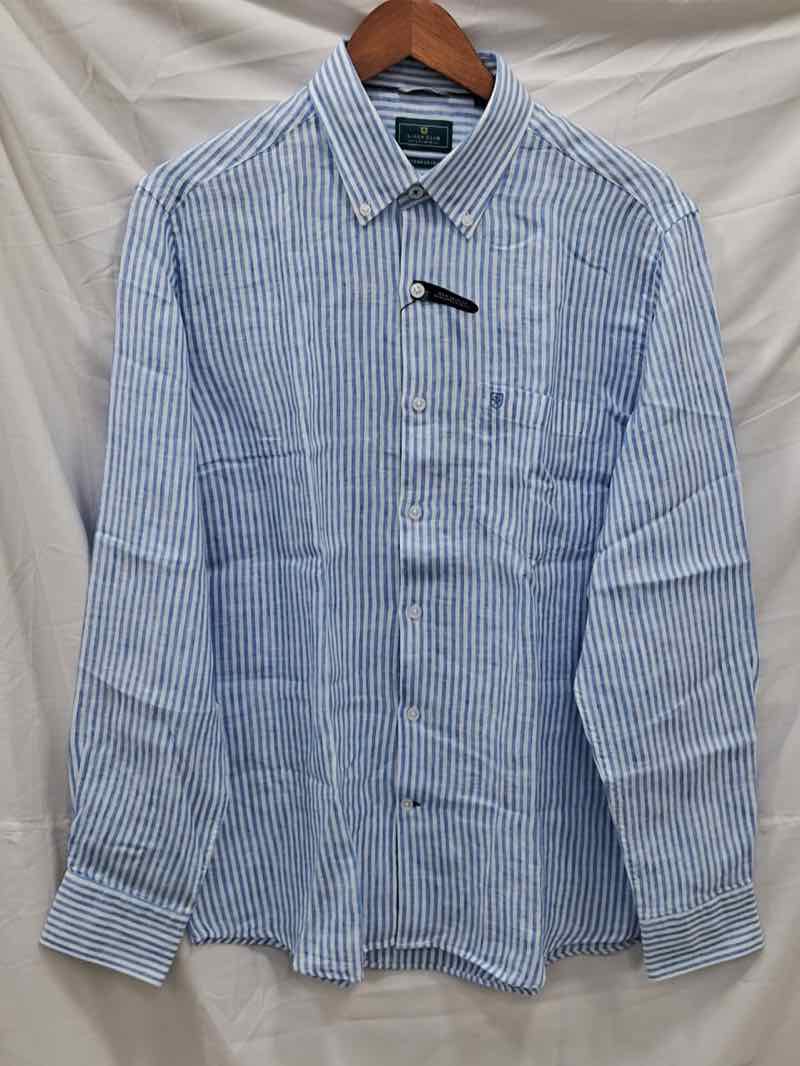
  • Blue and white striped linen-look shirt on a hanger
    Pl. 05Shown: blue and white striped linen-look shirt on a hanger
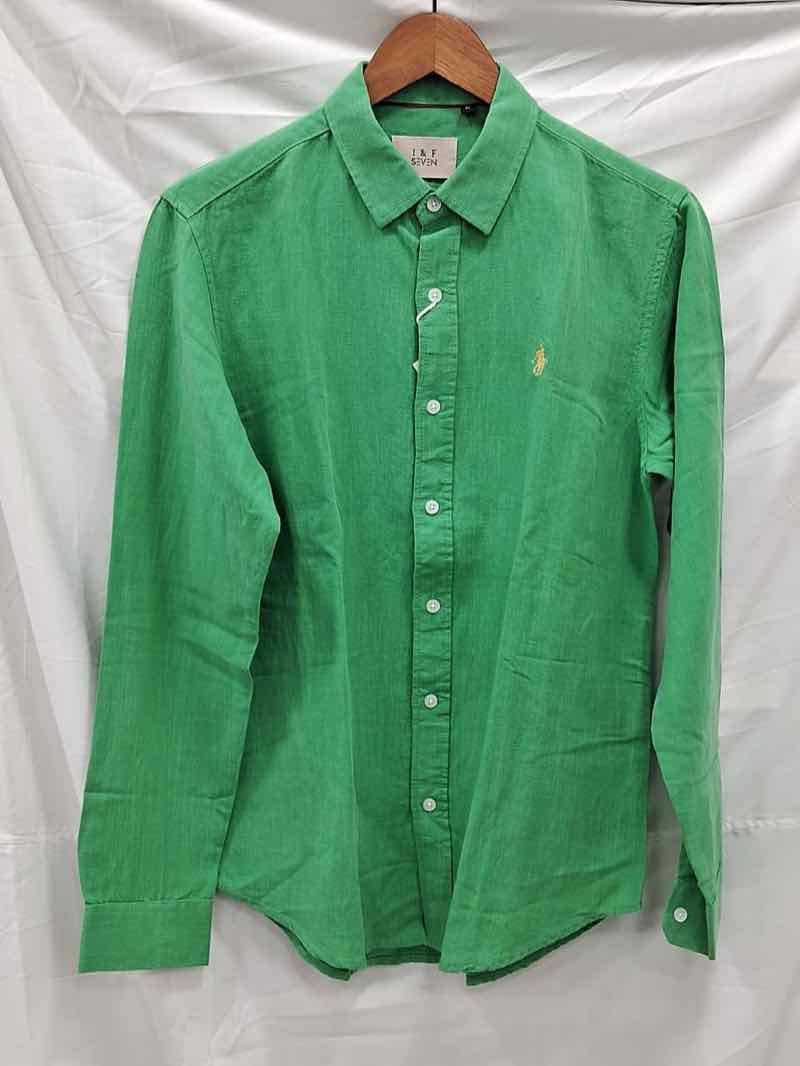
  • Bright green linen shirt on a wooden hanger
    Pl. 06Shown: bright green linen shirt on a wooden hanger

Open, slubbed cloths like these are the humid-season counterpoint to crisp office poplin.

2.4 — 2.6

Drape, durability & care

Drape

Drape is how a cloth falls under its own weight. Twills and fine two-ply cottons drape softly and follow the body, which flatters a tailored or slim fit. Crisp poplin and linen hold their own shape, standing slightly away from the body — cooler, and sharper under a jacket.

Durability

Durability comes from yarn strength and weave density. Oxford and twill are the long-distance runners; very fine, lightweight poplins feel luxurious but wear faster at collar and cuff edges. Rotating shirts — rather than wearing favourites back to back — extends the life of every one.

Care requirements

Always follow the care label first. As general guidance:

General care guidance by cloth
ClothWashDryPress
PoplinCool to warm, gentleHang on a shaped hangerHot, while slightly damp
OxfordWarmHangMedium-hot, or wear softly
TwillCool to warmHangMedium
LinenCool, gentleHang; avoid tumble dryingHot, while damp
BlendsCoolHangLow heat

Remove collar stays before washing, unbutton everything, and wash darks inside out to protect colour. The styling guide covers storage and rotation.

The parts you never see decide how a shirt wears

Two shirts in identical cloth can wear completely differently. The difference lives in construction — interlinings, seams, stitch density, the cut of a yoke. Seven details, drawn in exploded view.

1 2 3 4 5
  1. Top collar
  2. Interlining
  3. Under collar
  4. Collar stays
  5. Collar stand

C.01

Collar construction

A collar is a sandwich: top collar, an interlining for structure, and an under collar, all mounted on a collar stand that lifts it around the neck. Fused interlinings are bonded to the cloth for a crisp, consistent shape; non-fused (sewn) interlinings float free and give a softer, more natural roll.

Removable collar stays — slim strips slipped into pockets under the points — keep a business collar sharp under a jacket. Take them out before washing.

1 2 3 4 5
  1. Sleeve placket
  2. Interlined barrel cuff
  3. Two-button adjustment
  4. French cuff fold
  5. Cufflink holes

C.02

Cuff construction

The barrel cuff — one or two buttons — is the everyday standard; two side-by-side buttons let you adjust the fit around the wrist or a watch. The French (double) cuff is twice as deep, folds back on itself and closes with cufflinks; it is the most formal option.

Look above the cuff, too: a sleeve placket with its own small button lets the sleeve open cleanly and lie flat when buttoned.

123
1 · Front placket
A raised, interlined band with two lines of topstitching. Structured and classic.
2 · French front
Edge folded under, no visible band. Cleaner, more formal.
3 · Concealed
A fly covers the buttons entirely. Minimal and evening-ready.

C.03

Plackets

The placket is the strip where the shirt buttons closed — and it quietly sets the formality of the front. A front placket gives a visible vertical line that reads traditional and holds its shape well. A French front removes that line for a smoother chest that sits beautifully under a tie and jacket.

A concealed placket hides the buttons behind a fly: the cleanest, most architectural front, ideal for dinners and evening events. Explore evening options on the occasion wear sheet.

1 2 3 4 5
  1. Four-hole button
  2. Cross stitch
  3. Diameter
  4. Thread shank
  5. Placket cloth

C.04

Buttons

Buttons are small but read instantly. Thicker buttons with a slight lustre — mother-of-pearl being the traditional benchmark — look richer than thin, flat plastic. Check how they are attached: a short thread shank wrapped beneath the button gives room for the buttonhole layer and makes buttoning easier; cross-stitched or tightly sewn buttons are less likely to work loose.

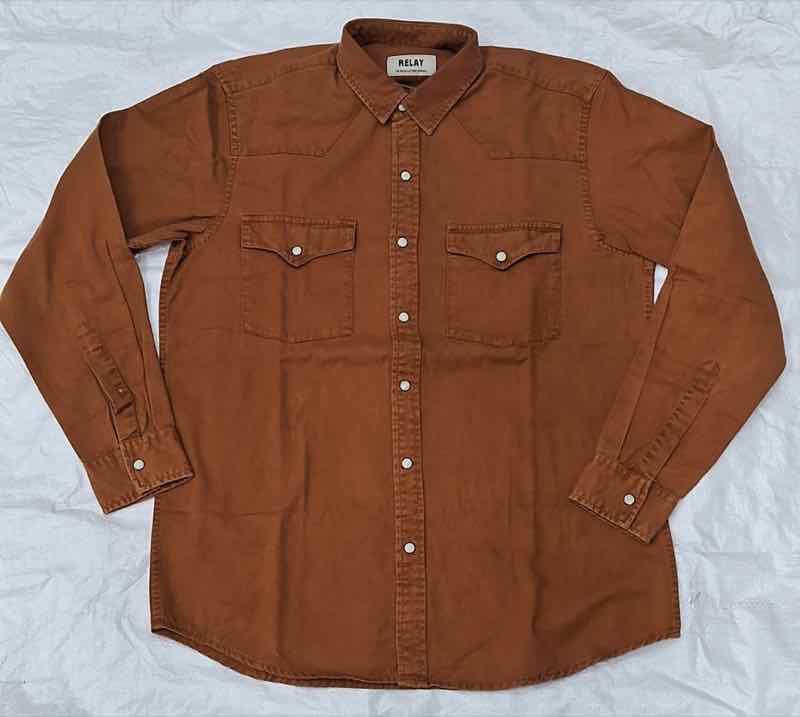
Snap fastenings belong to casual and western shirts, not business dress.

Tan western-style shirt with twin pockets and snap details
Pl. 07Shown: tan western-style shirt with twin pockets and snap details
1 2 3 4
  1. Yoke panel
  2. Split centre seam
  3. Opposing bias grain
  4. Box pleat

C.05

Yokes

The yoke is the panel across the upper back that joins the shoulders to the body. A one-piece yoke is perfectly sound. A split yoke is cut in two halves joined at the centre, each half set on its own angle, so the cloth follows the slope of each shoulder more naturally.

On striped shirts the split yoke is easy to spot — the stripes meet at a gentle chevron. Beneath the yoke, a box pleat or two side pleats add ease across the back for reaching and driving.

1 2 3 4
  1. One inch
  2. Stitches per inch
  3. Flat-felled seam
  4. Gusset

C.06

Stitching & finishing

Turn a shirt inside out and the quality tells its own story. Count the stitches in an inch along a seam: dense, small stitches — roughly 18 or more per inch on finer shirts — look neater and hold better than long, loose ones.

Single-needle tailoring sews each side of a seam in a separate pass, giving a flatter, cleaner line with less puckering. Flat-felled seams fold the raw edges inside each other so nothing frays, and a small triangular gusset at the base of each side seam reinforces the point most likely to tear.

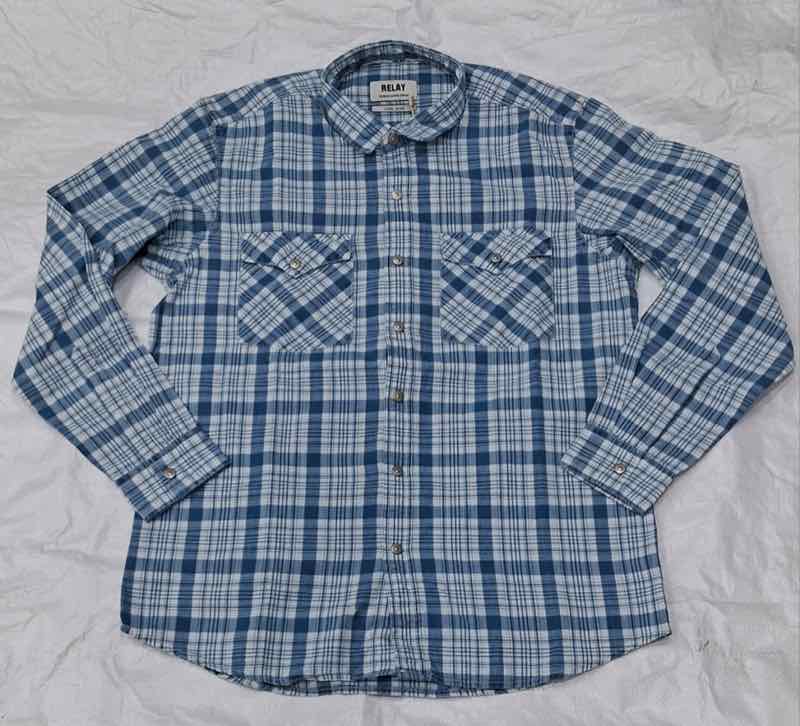
Blue check shirt with twin pockets and visible topstitching
Pl. 08Shown: blue check shirt with twin pockets and visible topstitching

C.07

Pockets & flaps

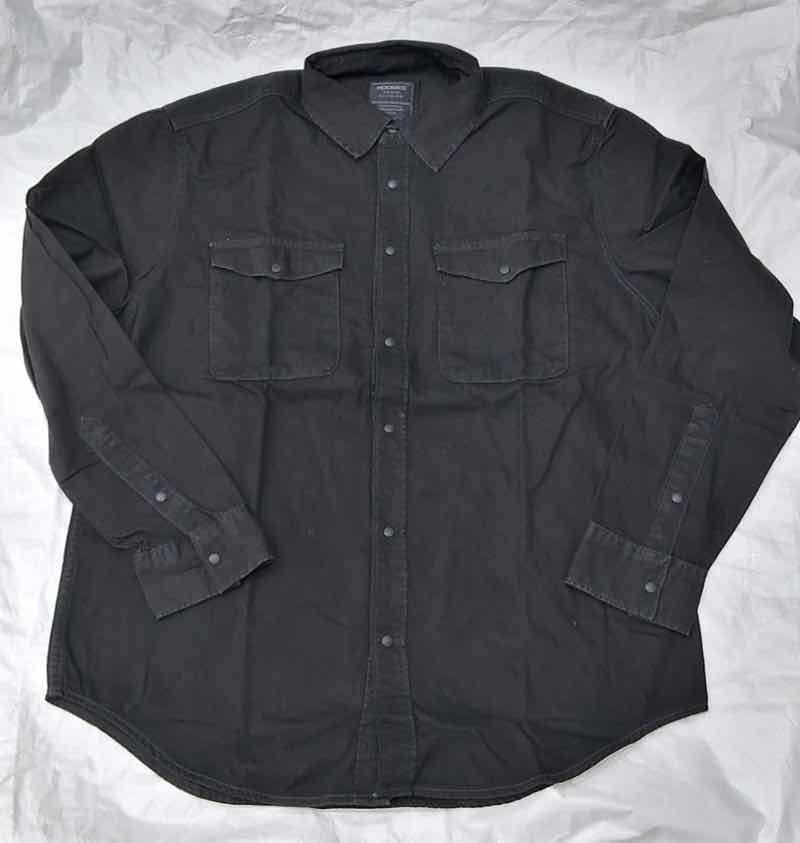
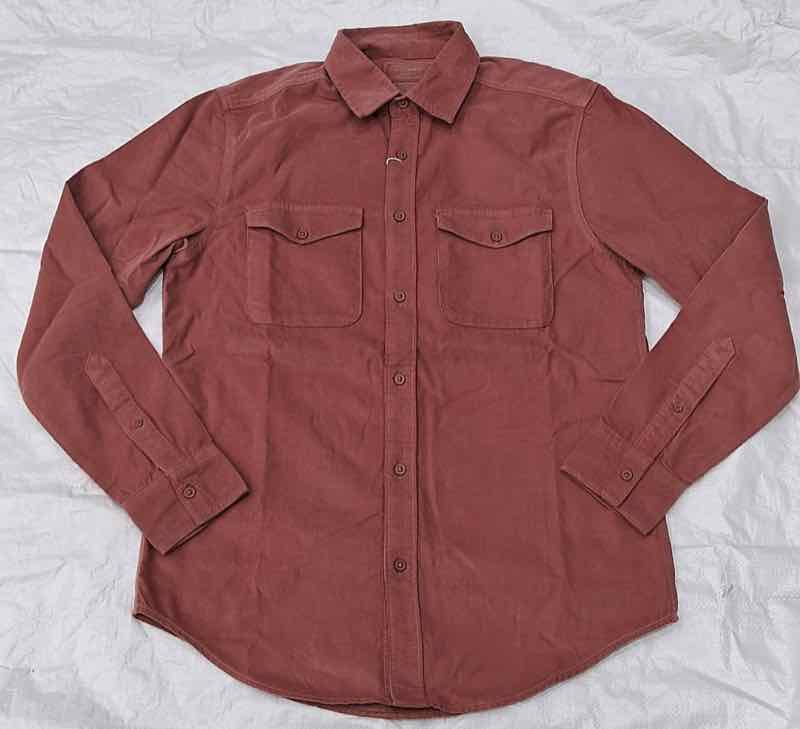
Formal and business shirts usually carry one plain chest pocket, or none — a clean front sits best under a jacket and tie. Twin pockets with buttoned flaps are a utility detail borrowed from workwear: welcome on a casual weekend shirt, out of place in a boardroom.

Where a pocket exists, check that any pattern is matched across it and that its corners are bar-tacked so they will not tear.

Solid black shirt with twin flap pockets
Pl. 09Shown: solid black shirt with twin flap pockets
Brick-red casual shirt with twin flap chest pockets
Pl. 10Shown: brick-red casual shirt with twin flap chest pockets

Specimen room · Juhu

Cloth is understood by hand

No diagram replaces the feel of a cloth between your fingers. Visit Options Mall in Juhu, Vile Parle West to explore formal shirts in person — compare weaves, check the collar and seams, and try fits before you choose.

Next — Sheet 07Business & Office Wear