
Care · Style Journal 12 / 12
Caring for and Maintaining Formal Shirts
Washing, drying, ironing, storing. Small habits that keep a formal shirt crisp for years rather than months.
A good shirt is not finished when it leaves the maker; it is finished every morning, by the way it has been washed, dried, pressed and stored. Most shirts do not wear out so much as they are worn down by careless laundering. A few small, consistent habits will keep a formal shirt crisp, bright and well shaped for years rather than months.
Begin with the care label
Every piece of advice in this article comes with one overriding rule: read the care label and follow it. Fabrics, finishes, dyes and interlinings vary from shirt to shirt, and the label is the maker's guidance for that particular garment. A crisp cotton poplin, a linen blend and a shirt with a printed pattern may each ask for something different. When the label and general advice disagree, the label wins.
It also helps to know what the symbols mean. The washtub shows washing temperature and whether hand washing is recommended; the triangle refers to bleaching, and a crossed-out triangle means no bleach at all; the square refers to drying; the iron shows the ironing temperature by the number of dots; and the circle refers to professional cleaning. A minute spent learning these symbols saves many shirts.
Washing: gentler than you think
The single most common mistake is washing too hot and too hard. Most cotton formal shirts do not need high temperatures to come clean; a cool or warm wash within the label's limit, with a good detergent, removes everyday soiling effectively and is kinder to fibres, colours and collar interlinings.
- Unbutton everything — front, cuffs and collar points — before washing, so that buttonholes do not stretch and buttons do not snag.
- Remove collar stays if they are removable. Left in, they can warp in the heat or push through the fabric.
- Sort by colour and weight. Wash whites with whites, and keep shirts apart from heavy items such as denim and towels, which abrade them.
- Turn printed or dark shirts inside out to reduce fading and surface wear.
- Do not overload the machine. Shirts need room to move to get clean and to avoid deep-set creases.
- Use a gentle cycle and a modest spin, where the label allows, so the shirt comes out damp rather than wrung and twisted.
Hand washing is the gentlest method of all and is worth considering for delicate fabrics or for shirts you particularly value. Use cool water and a mild detergent, work gently, rinse thoroughly and never wring; press the water out instead.
Collars, cuffs and stains
Collars and cuffs are where a shirt meets skin, and they collect perspiration, natural oils and the faint grey line that ages a shirt faster than anything else. Treat them before every wash. A little liquid detergent worked in gently with the fingers, or a soft brush, and left for a few minutes is usually enough. Avoid hard scrubbing, which roughens the surface and can damage the interlining.
Common stains
- Perspiration marks: treat early and wash promptly; marks that are left to set become far harder to remove. Avoid applying heat until the mark is gone.
- Tea and coffee: rinse from the back of the fabric with cool water as soon as possible, then treat with detergent before washing.
- Curry and turmeric: blot, do not rub. Rinse with cool water from the reverse side, treat with detergent and wash. Turmeric stains may fade further with gentle exposure to sunlight, but test first, since sunlight can also fade coloured fabrics.
- Ink: blot carefully and seek professional advice for valuable shirts rather than experimenting.
Whatever the stain, check it before drying or ironing. Heat sets stains, sometimes permanently.
Drying in a humid city
Drying is where Mumbai's climate becomes the main character. In the dry months, line drying is easy and gentle. During the monsoon, when the air is saturated for weeks on end, shirts can take a long time to dry and may develop a musty smell if left damp. Some principles help in every season.
- Hang shirts as soon as the wash finishes. Leaving them balled in the drum sets creases and invites odours.
- Use a proper hanger, ideally one with shaped shoulders, and fasten the top button so the collar dries in place. Smooth the collar, placket and cuffs flat with your hands.
- Dry in the shade where possible. Strong direct sun can fade colours and yellow whites over time.
- Keep air moving. In the monsoon, a fan, a well-ventilated room or a dehumidifier helps far more than simply waiting.
- Be cautious with tumble dryers. Many cotton shirts shrink or lose their finish with high heat; check the label, and if machine drying is allowed, use low heat and remove the shirt while still slightly damp.
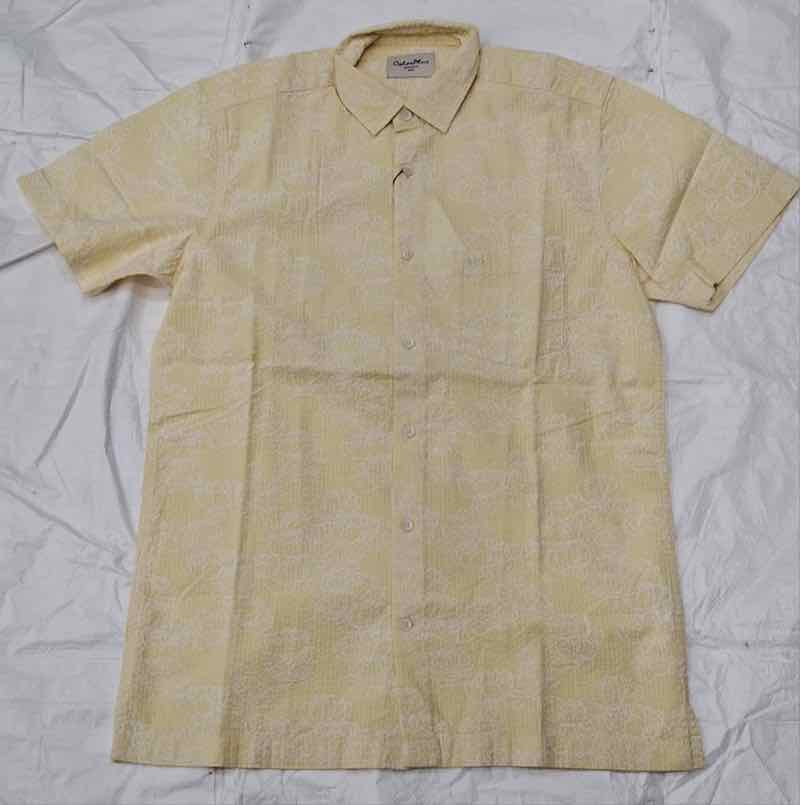
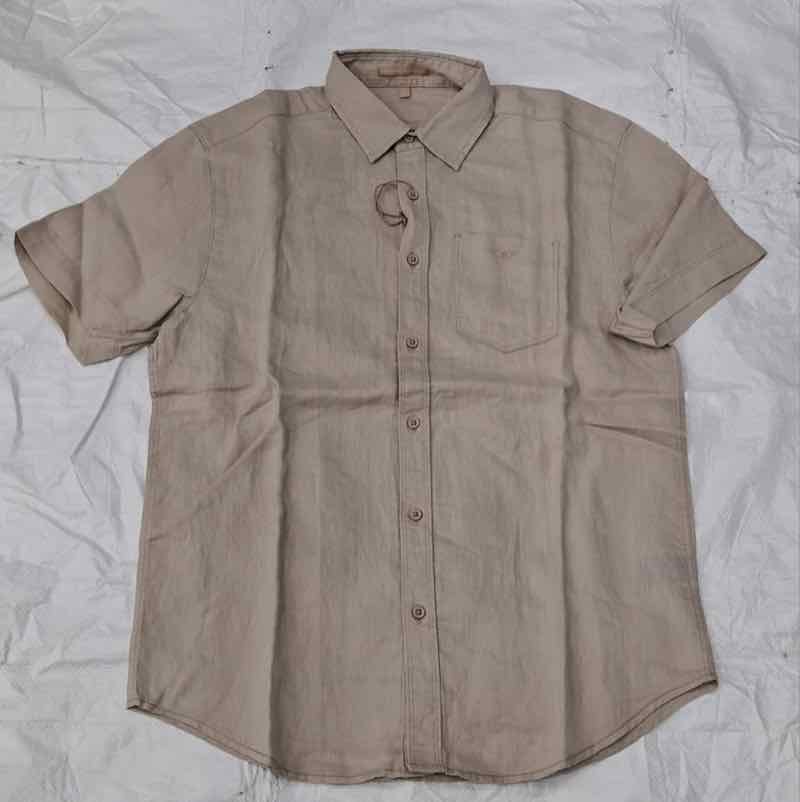
Shirts in lighter shades — a pale lemon half-sleeve shirt with a faint tonal print, for instance, or a stone-coloured shirt with a relaxed shape — deserve particular care when drying, because these soft colours show both sun-fading and water marks more readily than navy or charcoal. Dry them in the shade, turned inside out if printed, and iron them on the reverse.
Most shirts are not worn out. They are washed out, dried out and pressed out.
Ironing like a professional
A shirt is easiest to iron while it is still very slightly damp. If it has dried completely, a spray of water or a steam iron restores enough moisture for the creases to release. Set the iron to the temperature on the label; cotton generally tolerates more heat than blends, and linen likes steam.
Work in a consistent order so that finished areas are not re-creased:
- Collar — underside first, from the points towards the centre, then the top side.
- Cuffs — inside first, then outside; open French cuffs flat before folding.
- Sleeves — lay each flat along the seam and press, avoiding a sharp crease along the top unless you prefer one.
- Yoke — drape the shoulder over the narrow end of the board.
- Back, then fronts, working carefully around the buttons rather than over them.
Iron dark shirts and printed shirts on the reverse side to avoid shine and protect the print. Never press over a stain, and never iron the collar fold into a hard crease; let it roll naturally into shape when worn. Hang the shirt immediately after ironing and give it a few minutes to cool before wearing — warm fabric creases easily.
Storing and rotating
How a shirt rests between wears matters almost as much as how it is washed. Hang shirts on wooden or shaped hangers that support the shoulders, with the top button and one more fastened so the collar keeps its line. Give them room in the wardrobe; a crowded rail undoes the ironing within a day.
In humid weather, wardrobes need ventilation. Avoid storing shirts in plastic covers for long periods, since they trap moisture; breathable cotton covers are better. Moisture absorbers or a few sachets of silica gel in the wardrobe, and opening the doors on dry days, help prevent mildew. Make sure every shirt is completely dry before it goes in. For travel, folding around a piece of card along the body and turning the sleeves back neatly limits creasing.
Rotation is the final, simplest habit. A shirt worn and washed every three or four days will last far longer than one worn every other day. A wardrobe with enough shirts to rotate comfortably through a working week — our article on building a professional shirt wardrobe suggests how many — is also a wardrobe that ages more slowly.
When a shirt needs more than care
Even the best-kept shirt eventually shows its age. Fraying at the collar fold, thinning at the elbows, or a white that has turned stubbornly grey are signs that a shirt is moving from the office rotation to weekend wear. Small repairs — a loose button resewn with matching thread, a stray thread trimmed rather than pulled — are worth doing promptly, because small faults spread quickly through repeated washing.
Care begins, in a sense, before the first wash. A shirt with sound construction and a fabric suited to its purpose will repay attention far better than one that was never made to last. Our page on shirt fabrics and construction and the journal article on the importance of shirt construction explain what to look for.
A well-kept shirt is one of the quiet pleasures of a good wardrobe. If you are looking for premium formal shirts in Mumbai worth caring for, visit Options Mall in Juhu, Vile Parle West, to explore fabrics and finishes in person and choose shirts made to be worn for years.